Published Date:
September 17, 2026
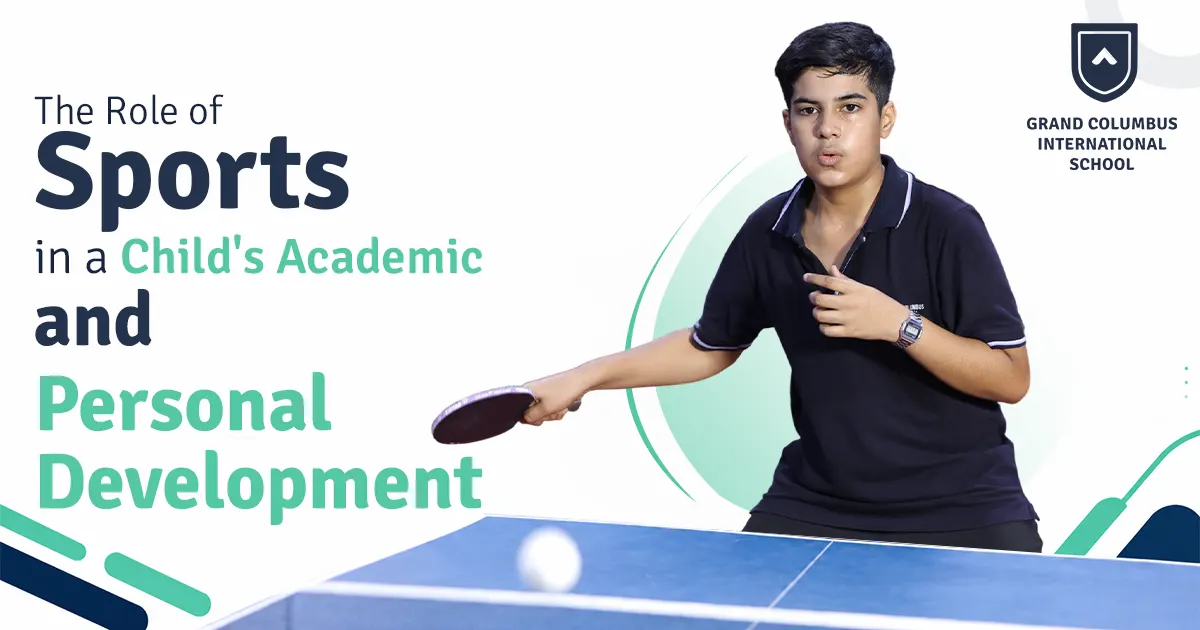
Many parents still regard sports as something extra—a break from studies rather than an essential part of education. However, this perspective is gradually shifting. There was a time when not everyone recognised the role sports played in a child’s development, both inside and outside the classroom. Today, that understanding is changing.
Parents should recognise the importance of sports in a child's life and understand that sports is not an option but an essential part of a child’s overall growth and development
Believe it or not, physical activity is closely linked to a child’s ability to learn. Regular play promotes healthy blood circulation and oxygen flow to the brain, supporting better concentration, memory, and mental alertness. Children who stay physically active are often better able to focus in class and remain attentive while studying for longer periods.
This is an important part of understanding how sports help academic performance. After an hour of active play, a child may be more refreshed and ready to concentrate on homework than one who has spent the entire day sitting and studying. Sports, therefore, can complement academics by helping children stay focused, energised, and ready to learn.
Discipline is another valuable lesson children learn through sports. Following practice schedules, arriving on time, staying committed to routines, and working consistently towards a goal help children develop habits that extend beyond the playing field. Over time, these habits can naturally reflect in their study routines, time management, and preparation for exams.
A large part of a child's growth happens outside textbooks. Sports offer lessons that are hard to teach any other way.
Some of the key life skills children learn through sports include:
These are not small lessons. Many of them stay with a child well into adulthood, shaping how they handle pressure, setbacks, and relationships later in life.
The role of sports in personal development is not limited to fitness. Through sport, children can gain a better understanding of themselves, their strengths, their weaknesses and their performance in stressful situations.
Regular participation in sports helps children develop emotional control and resilience. Losing a game, being substituted, making a mistake, or facing disappointment in front of teammates teaches them to manage their emotions, accept setbacks, and try again. These small experiences, repeated over time, help children become more confident in handling challenges both on and off the field.
Children also naturally make friends through sports. Collaborative practice, shared victories and losses fosters bonds and relationships that can be a key element of a child's social life and support system
A common misunderstanding is that sports only matter for children who want to become athletes, but this statement is not true. Why sports are important for children has less to do with winning matches and more to do with everyday growth, better focus, stronger health, more confidence, and a better ability to work with others.
Every child benefits from sports, whether they play casually once or twice a week or take part in serious training. The value is not in being the best player on the team, but in showing up, trying, and learning from the experience.
Parents can encourage children to stay active at home, but schools play an equally important role in making sports a regular part of their lives. A school that provides proper facilities, dedicated practice time, and consistent opportunities to participate helps children build a stronger connection with sports. Regular exposure at school allows them to develop skills, confidence, and healthy habits beyond occasional activities.
This is why many parents consider the best schools in Faridabad based not only on academic opportunities but also on how they support a child’s overall growth. A well-structured sports programme reflects a school’s commitment to developing physical fitness, confidence, discipline, and teamwork alongside academics.
For parents looking for a school for sports in Faridabad, it is important to consider whether the school provides trained coaches, appropriate facilities, regular practice, and sufficient time for children to participate and develop their sporting abilities.
Sports are not a distraction from a child's education; in fact, they support natural growth. From better focus in class to skills like teamwork, patience, and confidence, the benefits of regular play extend far beyond the field. Parents who encourage sports early are not just helping their child stay fit; they are helping them grow into a more capable, confident, and well-rounded person.
Not usually. In fact, kids that play sports regularly are likely to be more organized in their time management because they know how to strike a balance between practice and homework. Most schools also structure their sports schedules around academic hours, ensuring that students can participate in physical activities without compromising their studies.
No age limit. Simple physical activity and play can begin in preschool years and more formal/competitive sports typically start around age 6/7, when children are more likely to follow rules and instructions.
That's perfectly okay. Talent isn't the only requirement for success in sports. Even if the child is not the top player on the team, regular participation still fosters focus, confidence and teamwork.
The recommended weekly amount of physical activity by most experts is 3-5 hours. This can be done in school sport time, coaching time, or at home when there's some fun time spent being active.
Yes, though the benefits differ slightly. Individual sports like swimming or athletics build discipline and self motivation, while team sports like football or basketball focus more on cooperation and communication. Both are valuable in their own way.